
Watch: Antilock Braking System ABS Simulation in Simulink
The project video starts automatically in muted mode where the browser permits autoplay. Use the player controls to enable sound, pause, seek or replay while reviewing the model workflow and simulation results.
Simulation Images and Output Snapshots
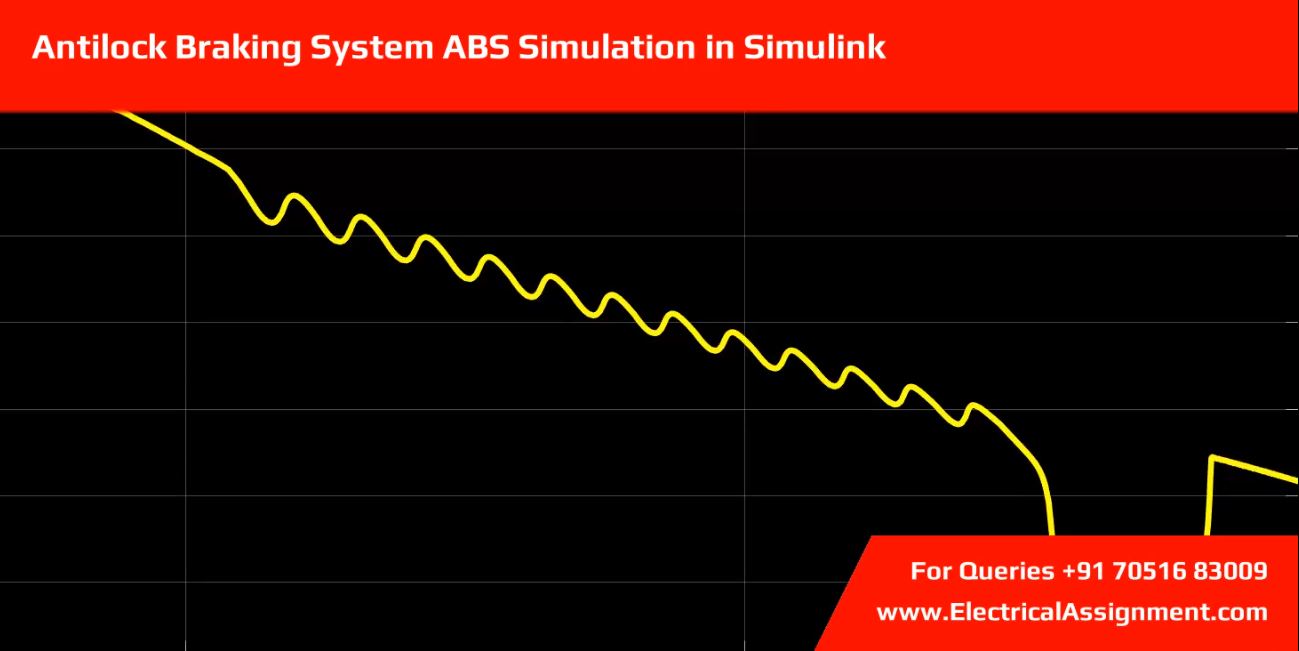
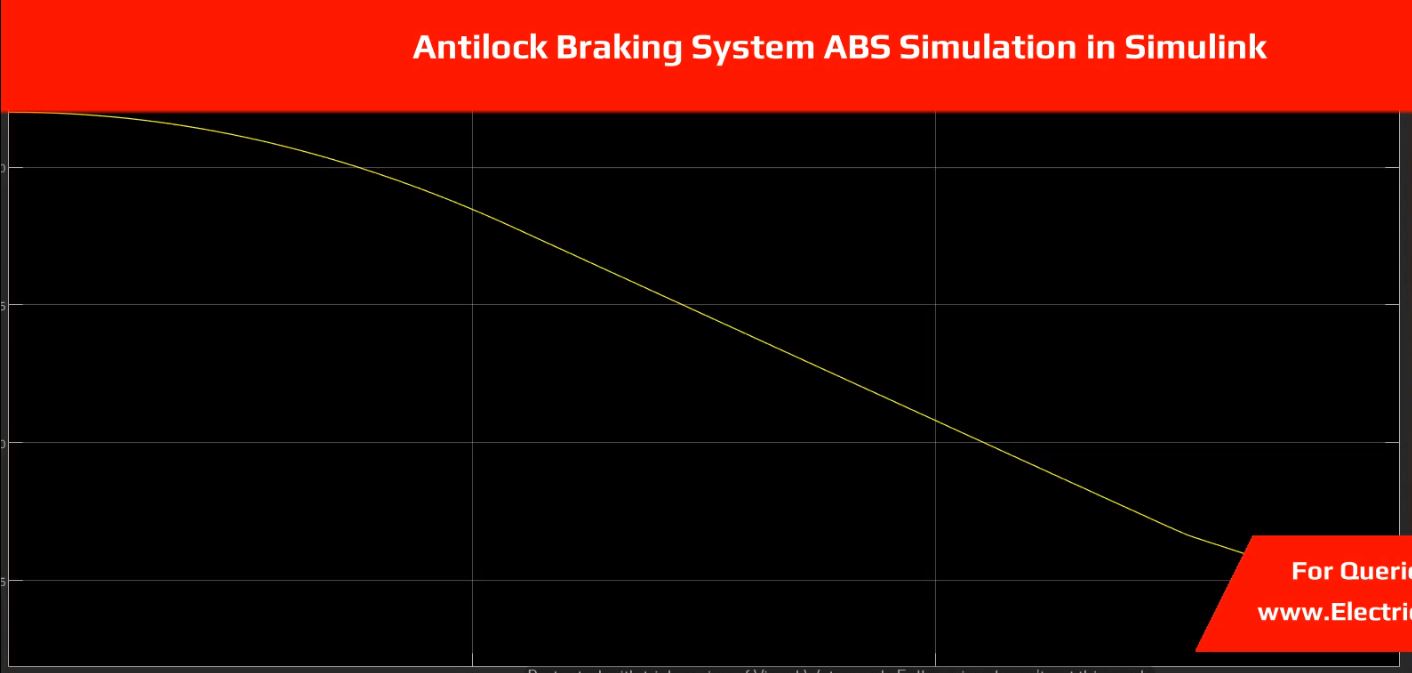
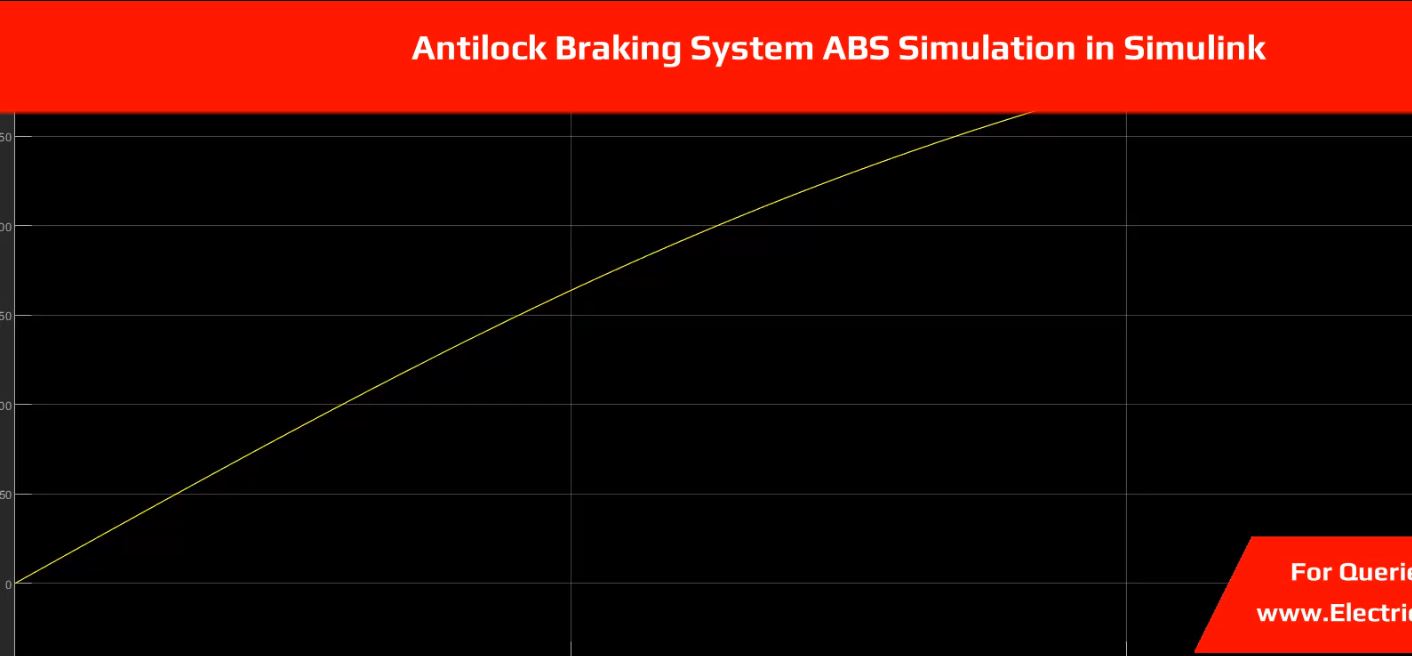
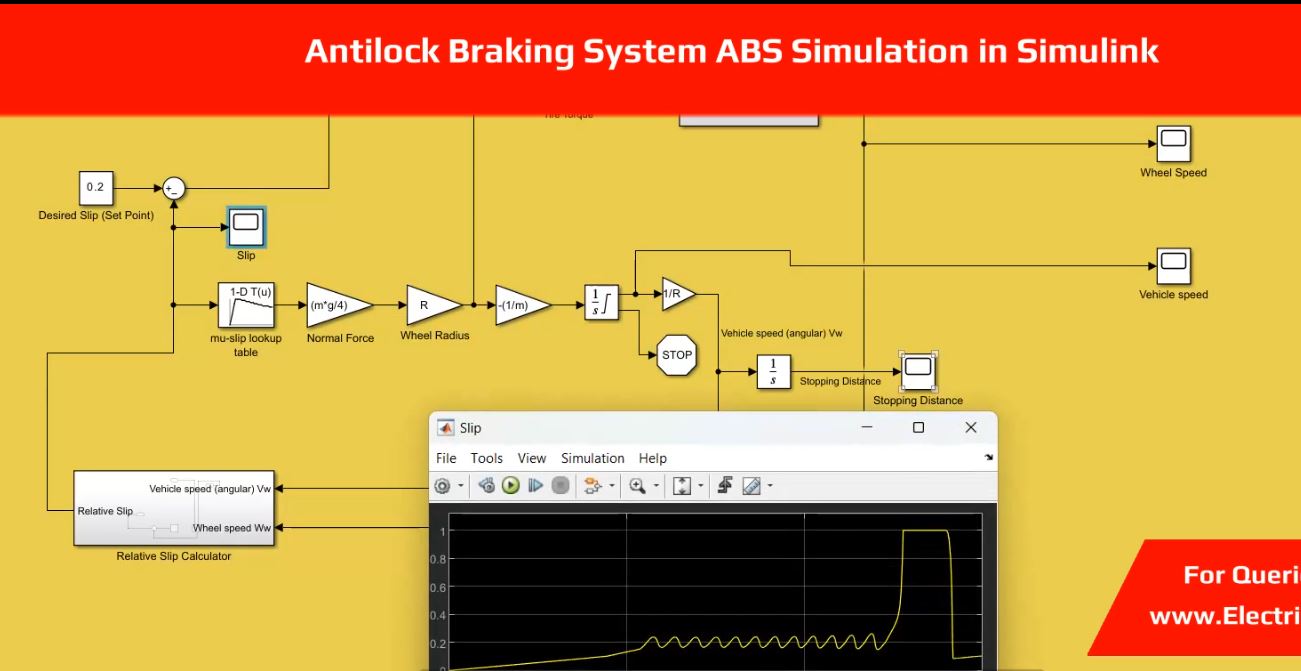
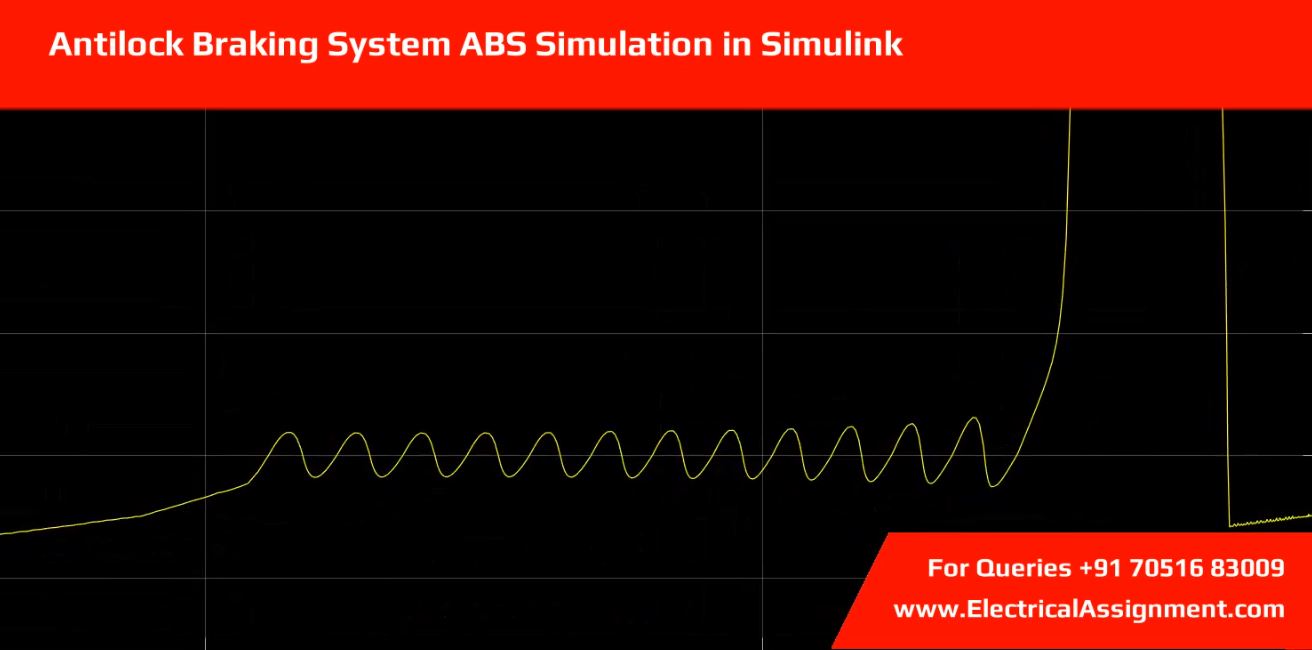
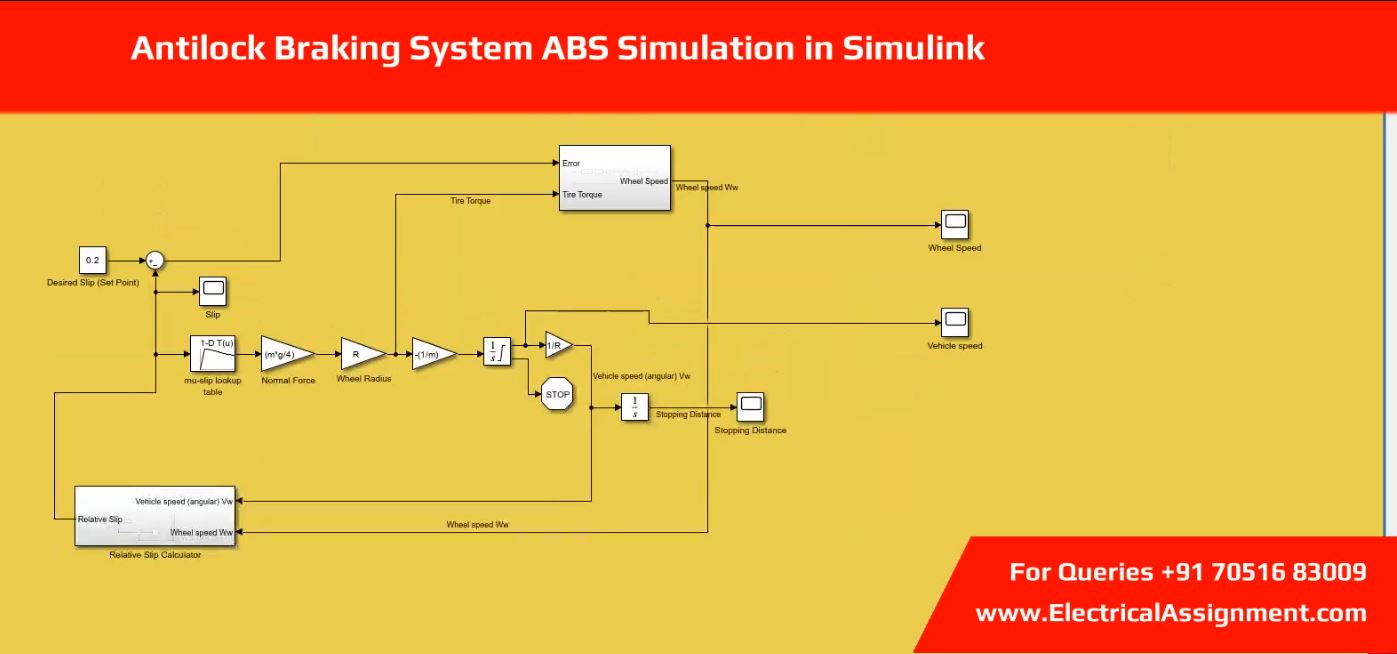
The project images present model architecture, output waveforms, field plots or result snapshots associated with the same technical topic and simulation workflow.
Project Overview and Research Objective
Antilock Braking System ABS Simulation in Simulink is positioned as a Electrical Engineering Simulation study within Electrical MATLAB Simulink Projects. Antilock Braking System ABS Simulation in Simulink is classified under Electrical MATLAB Simulink Projects with a technical focus on Electrical Engineering Simulation. Using Simulink, the page concentrates on engineering-system modelling, controller or numerical implementation, measurable output validation and transient/steady-state performance. The model is treated as a research experiment in which assumptions, parameters, operating cases and outputs must remain traceable from input to conclusion. Key title concepts include Antilock, Braking, ABS.
A suitable research question is: how can the Electrical Engineering Simulation approach represented by “Antilock Braking System ABS Simulation in Simulink” be evaluated using Simulink so that steady-state error and transient settling time are improved or maintained without creating unacceptable degradation in overshoot or ripple?
The scope is especially relevant to researchers working with Simulink who need a traceable link between the implemented model, the operating scenarios and the evidence used in the final thesis or paper.
System Architecture and Main Components
For this topic, the model architecture should make the relationship between the research input, the physical or numerical plant and the reported outputs explicit.
- Source or input model: configure this element so its parameters and role can be traced to the Electrical Engineering Simulation objective of Antilock Braking System ABS Simulation in Simulink.
- Main plant / physical system: configure this element so its parameters and role can be traced to the Electrical Engineering Simulation objective of Antilock Braking System ABS Simulation in Simulink.
- Controller, solver or analysis logic: configure this element so its parameters and role can be traced to the Electrical Engineering Simulation objective of Antilock Braking System ABS Simulation in Simulink.
- Measurement and signal-processing blocks: configure this element so its parameters and role can be traced to the Electrical Engineering Simulation objective of Antilock Braking System ABS Simulation in Simulink.
- Scopes, result logging and post-processing: configure this element so its parameters and role can be traced to the Electrical Engineering Simulation objective of Antilock Braking System ABS Simulation in Simulink.
Simulation and Research Methodology
- Define ratings, units, parameters and modelling assumptions. Record the assumptions and the evidence expected from this step for Antilock Braking System ABS Simulation in Simulink.
- Build and verify the base physical or mathematical model. Record the assumptions and the evidence expected from this step for Antilock Braking System ABS Simulation in Simulink.
- Implement the controller, algorithm, solver or protection method. Record the assumptions and the evidence expected from this step for Antilock Braking System ABS Simulation in Simulink.
- Apply nominal and stressed operating scenarios. Record the assumptions and the evidence expected from this step for Antilock Braking System ABS Simulation in Simulink.
- Record output plots and numerical performance metrics. Record the assumptions and the evidence expected from this step for Antilock Braking System ABS Simulation in Simulink.
- Compare the baseline and proposed cases and document limitations. Record the assumptions and the evidence expected from this step for Antilock Braking System ABS Simulation in Simulink.
Recommended Study Cases
A thesis or journal-oriented implementation should not rely on a single nominal run. For this project, useful test cases include:
- nominal operating condition
- reference-command change
- load or disturbance event
- parameter-variation case
- baseline-versus-proposed comparison
Validation Metrics and Thesis Evidence
The recommended validation evidence includes steady-state error, transient settling time, overshoot or ripple, efficiency or loss. A defensible result section should report both waveform or field behaviour and numerical metrics, with the baseline and proposed cases evaluated under the same conditions. The final discussion should also explain sensitivity to load or disturbance event, parameter-variation case.
Expected Simulation Outputs
- Primary system response — interpret this result against the selected operating case and one of the defined validation metrics.
- Controller or algorithm tracking response — interpret this result against the selected operating case and one of the defined validation metrics.
- Important electrical / physical state variables — interpret this result against the selected operating case and one of the defined validation metrics.
- Transient behaviour under a disturbance — interpret this result against the selected operating case and one of the defined validation metrics.
- Numerical comparison metrics — interpret this result against the selected operating case and one of the defined validation metrics.
Video Summary and Technical Context
The project video for Antilock Braking System ABS Simulation in Simulink should be read together with the technical text on this page. The expected workflow begins with the Source or input model, proceeds through Main plant / physical system and Controller, solver or analysis logic, and then records Primary system response, Controller or algorithm tracking response, Important electrical / physical state variables. For a research implementation, the important point is not only that the model runs, but that every output is linked to a stated objective, operating case and validation metric.
The video and page together emphasize engineering-system modelling, controller or numerical implementation, measurable output validation and transient/steady-state performance. Researchers should retain the model parameters, software version, solver/controller settings and the conditions associated with each plotted result so that the work can be reproduced or extended later.
Research Applications
The modelling approach used in Antilock Braking System ABS Simulation in Simulink can be relevant to the following application directions:
- advanced engineering simulation
- controller or algorithm benchmarking
- thesis and dissertation experimentation
- journal-oriented comparative studies
PhD Novelty and Publication-Oriented Extensions
A stronger research contribution should extend the baseline topic with a clearly stated limitation, proposed modification and measurable comparison. Project-specific directions include:
- adaptive, predictive or robust alternative to the baseline method
- sensitivity and uncertainty analysis
- multi-objective optimization with explicit constraints
- real-time, HIL or experimental validation where feasible
International PhD and Postgraduate Research Use
For PhD researchers and postgraduate scholars working internationally, this topic can be adapted to a university proposal, published reference paper or independently defined research gap. The model scope can be aligned with the required software version, parameter set, dataset, disturbance profile, geometry, controller structure and reporting format while preserving reproducibility and clear technical attribution.
Electrical Assignment supports research planning and simulation customization for scholars in Malaysia, UAE, Canada, India, UK, Australia and Germany and other regions. The technical objective remains the same: make the simulation understandable, measurable and defensible rather than relying on screenshots alone.
Technical Scope and Related Concepts
Key concepts connected to this project include Antilock Braking System ABS Simulation in Simulink; Electrical Engineering Simulation PhD simulation; Simulink thesis research project; Electrical MATLAB Simulink Projects simulation for postgraduate research; Antilock, Braking, ABS engineering simulation; Electrical Engineering Simulation methodology and validation. These topics help position the model within its wider engineering research area and support comparison with related methods and applications.
Project Media, Research Guides and Related Resources
More Electrical Engineering Simulation projects
Projects using related software
More projects in this engineering domain
Explore Other Engineering Project Domains
Academic and Project Content Note
This page provides a representative simulation project overview and research-planning framework. Final implementation, numerical claims and documentation should follow the selected source paper, dataset, equipment ratings, software version and university requirements.
Antilock Braking System ABS Simulation in Simulink research questions
What is the research objective of Antilock Braking System ABS Simulation in Simulink?
A suitable research question is: how can the Electrical Engineering Simulation approach represented by “Antilock Braking System ABS Simulation in Simulink” be evaluated using Simulink so that steady-state error and transient settling time are improved or maintained without creating unacceptable degradation in overshoot or ripple?
Which outputs should be validated for this project?
The recommended evidence includes steady-state error, transient settling time, overshoot or ripple, efficiency or loss, robustness under parameter change, baseline-versus-proposed improvement. The exact set should be aligned with the selected paper, model and research question.
Which operating cases should be tested?
A robust study can include nominal operating condition, reference-command change, load or disturbance event, parameter-variation case, baseline-versus-proposed comparison. The same cases should be applied to baseline and proposed methods where a comparison is claimed.
How can Antilock Braking System ABS Simulation in Simulink be extended for PhD or journal research?
Relevant directions include adaptive, predictive or robust alternative to the baseline method, sensitivity and uncertainty analysis, multi-objective optimization with explicit constraints, real-time, HIL or experimental validation where feasible. The extension should address a defined literature limitation and be validated quantitatively.
Which software is associated with this project?
The project is associated with Simulink in the Electrical Engineering Simulation area. Software version, solver settings and dependencies should be recorded for reproducibility.